
Academics
Campus and Community
Students
Spelman Student Champions Environmental Justice with Pollution-Tracking Research
Students and Faculty Work Together to Remove Pollution and Identify Environmental Disparities in Atlanta's West End Community
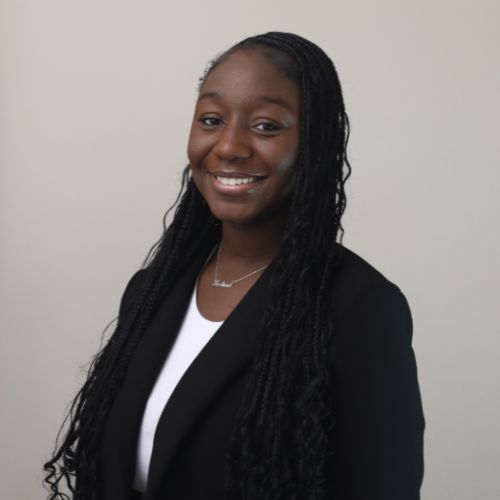
Spelman College senior and health science major FaDima Keita, C’2026, spends her free time pollution tracking in Atlanta’s West End community, a cause that fuels her interest in environmental justice.
According to Keita, who aspires to be a dentist, her passion for environmental justice came as a surprise. It wasn’t until she enrolled in environmental toxicology with Tamara Spikes, C’2017, adjunct professor of environmental and health sciences, that she realized she wanted to know more about environmental injustices impacting marginalized communities.
Persistent barriers to environmental governance and justice continue to shape how marginalized communities experience environmental inequities, making it essential to engage Spelman students in conversations that empower them to address the unequal distribution of pollution,” said Spikes. “FaDima is a wonderful example of this empowerment in action.”
"What drew me to environmental justice work was learning how strongly environmental conditions shape health outcomes, especially in marginalized communities like the ones I want to serve as a future healthcare provider,” said Keita. “In Ms. Spikes’ class, we discussed how systemic inequalities contribute to environmental harm. That class opened my eyes to how environmental injustice is tied to public health, which made me want to get involved in research that could create real change.”
 When Keita expressed an interest in environmental and sustainability research, Spikes referred her to Dr. Na’Taki Osborne Jelks, an assistant professor of environmental and health sciences at Spelman who actively investigates urban environmental health disparities. Dr. Jelks currently co-leads UrbanHeatATL, an organization charged with collecting data to map out the disproportional extreme heat impacting certain areas of Atlanta. She also co-founded the West Atlanta Watershed Alliance (WAWA), a nonprofit that works to protect, preserve and restore the community’s natural resources.
"FaDima’s commitment to WAWA's environmental justice research has expanded her understanding of local issues while strengthening her qualitative and quantitative data skills,” said Spikes. “She demonstrates how students can use their interdisciplinary backgrounds and community engagement to raise awareness about environmental health and safety challenges facing vulnerable populations.”
Keita signed on to Dr. Jelks’s research team during the summer of her junior year to help combat pollution. As a researcher, she helps enhance the Proctor Creek Citizen Science App. Through the app, West End residents submit photos of pollution and answer a series of short questions to identify the pollution type. Keita works with other researchers to collect the hazard data in groups and shares it with WAWA and Emory University, who then remove the pollution and document it for further investigation.
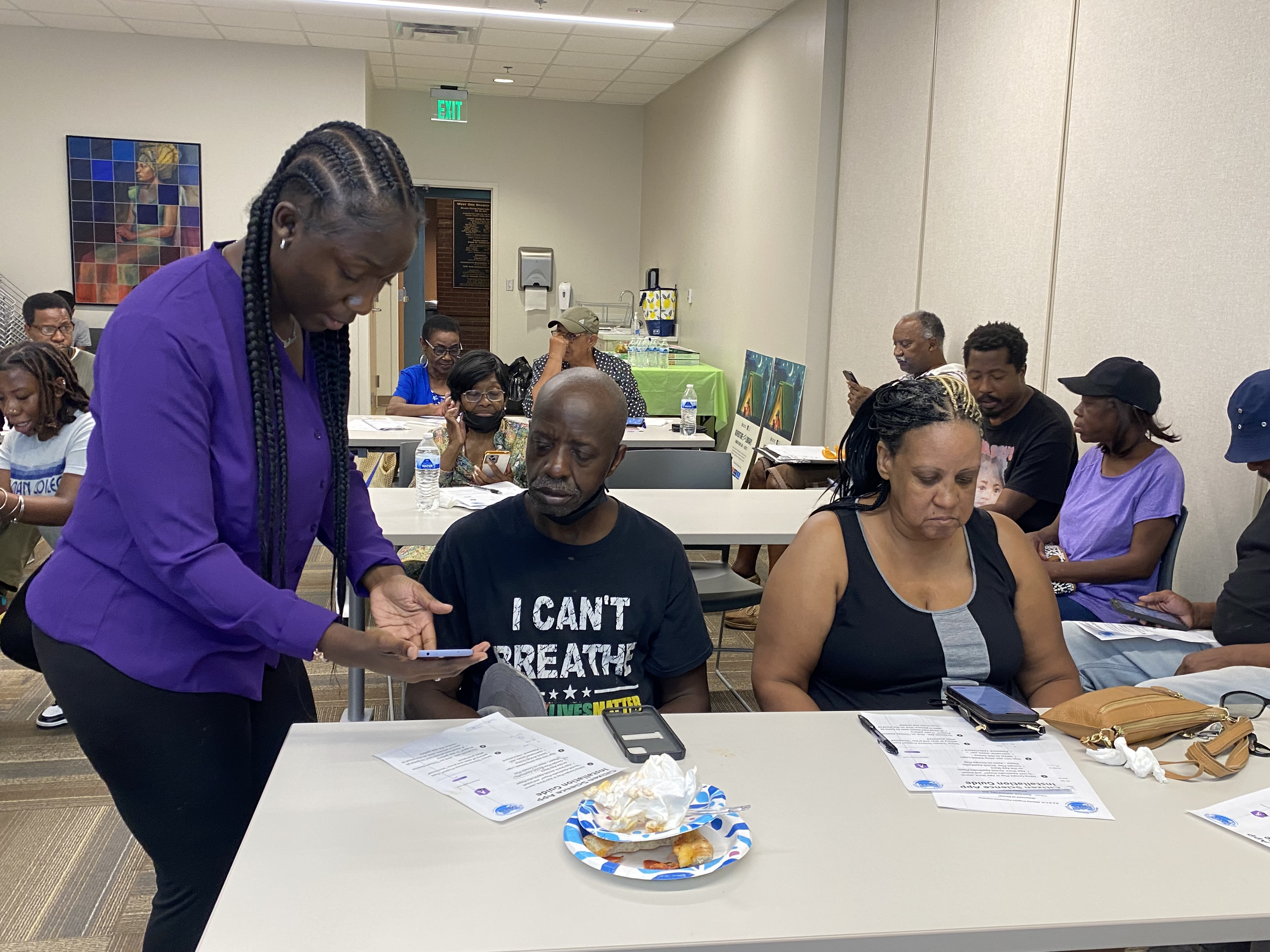 In addition to data collection, Keita also works in community engagement and outreach. Each month, she meets with residents of the West End community to learn more about how they can improve the tracking app and better assist them. She also utilizes ArcGIS, a geographic platform, to map and analyze the region for enhanced data collection.
“The projects we’re leading in the West End community give Spelman students the opportunity to apply scientific research to real-world environmental justice issues that directly affect our neighbors,” said Keita. “Through efforts like heat mapping and pollution tracking, we gain hands-on experience in using data to advocate for healthier and more equitable communities. These initiatives not only prepare us for careers in sustainability and public health but also empower us to become changemakers who use our education to serve others.”
In the future, Keita plans to continue this work through her aspirations to become a dentist, which will allow her to make a difference in the intersection between environmental conditions and oral health.
Many environmental hazards, like contaminated water, air pollution, or inadequate infrastructure, can worsen dental outcomes in underserved communities,” she said. “By understanding and addressing environmental risks, I hope to become a dentist who not only treats patients but also advocates for the healthier environments they deserve.”