Grants
Press Release or Media Alert
Academics
Faculty
Spelman College Receives Nearly $400,000 from NASA to Investigate Air Quality
FOR IMMEDIATE RELEASE
Media Contact:
Brijea Daniel, 470.733.7036, brijeadaniel@spelman.edu
Media Contact:
Brijea Daniel, 470.733.7036, brijeadaniel@spelman.edu
Spelman Partners with NASA and Stony Brook University for Atlanta Ozone Research
ATLANTA [November 2, 2026] -- Spelman College recently received an almost $400,000 grant from NASA, with the purpose of curating a STEM research pipeline for students and further investigating the relationship between air quality and plant injury in Atlanta. The project is a collaboration with NASA Marshall Space Flight Center and Stony Brook University.
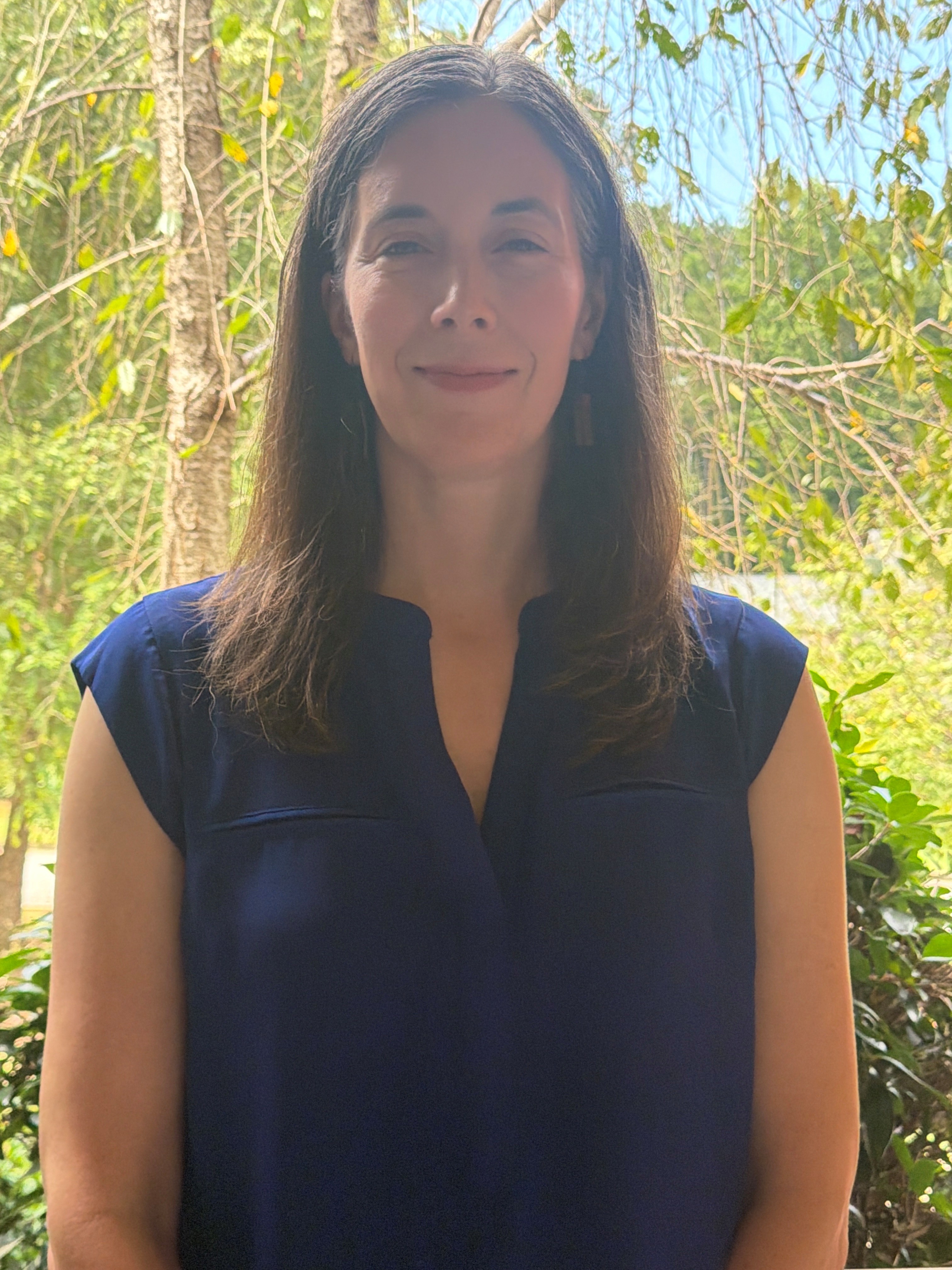 “This award is significant for Spelman College students -- it will develop a STEM graduate school pipeline with Stony Brook University,” said Jessica Terrien, Ph.D., assistant professor of environmental and health sciences at Spelman. Dr. Terrien, the principal investigator, worked alongside Guanyu Huang, Ph.D., co-investigator and assistant professor at Stony Brook University, to secure the grant. “This pipeline introduces students to career opportunities at NASA and research related to NASA TEMPO satellite data.”
The project, officially titled ‘Using TEMPO Satellite Data to Assess Ozone Injury to Plants in Atlanta, Georgia, while Building a Student Research Pipeline at Spelman College,’ aims to examine how ozone exposure relates to plant injury in Atlanta using NASA data and observations from the Spelman College Ozone Garden.
Through the grant, Spelman hopes to expand its capacity in Earth science education and research, as well as the utilization of air quality datasets, through educational opportunities such as internships, research positions, mentoring, and curriculum integration.
For the next two years there will be professional development opportunities open to any Spelman student interested in STEM and two application-based student research opportunities, one here at Spelman and one at the NASA Marshall Center in Alabama over the summer,” said Dr. Terrien.
The collaboration aims to strengthen STEM participation at an HBCU and establish a long-term framework for future NASA-related research and student development.