
Students
Academics
History in Action
Spelman College Student Makes Scientific First in Groundbreaking Tuberculosis Research at Harvard
Her Research at Harvard Could Help Scientists Better Understand How Tuberculosis Bacteria Survive, Spread and Develop Drug Resistance
MaKyra Wilson, C’2027, recently became the first person to engineer variants of AmiB2, a newly characterized gene involved in bacterial metabolism and cell-wall maintenance, and introduce them into a safer model bacterium used to study Tuberculosis. As a result, the DNA tools used in the discovery will be subsequently named after her and used to support future research.
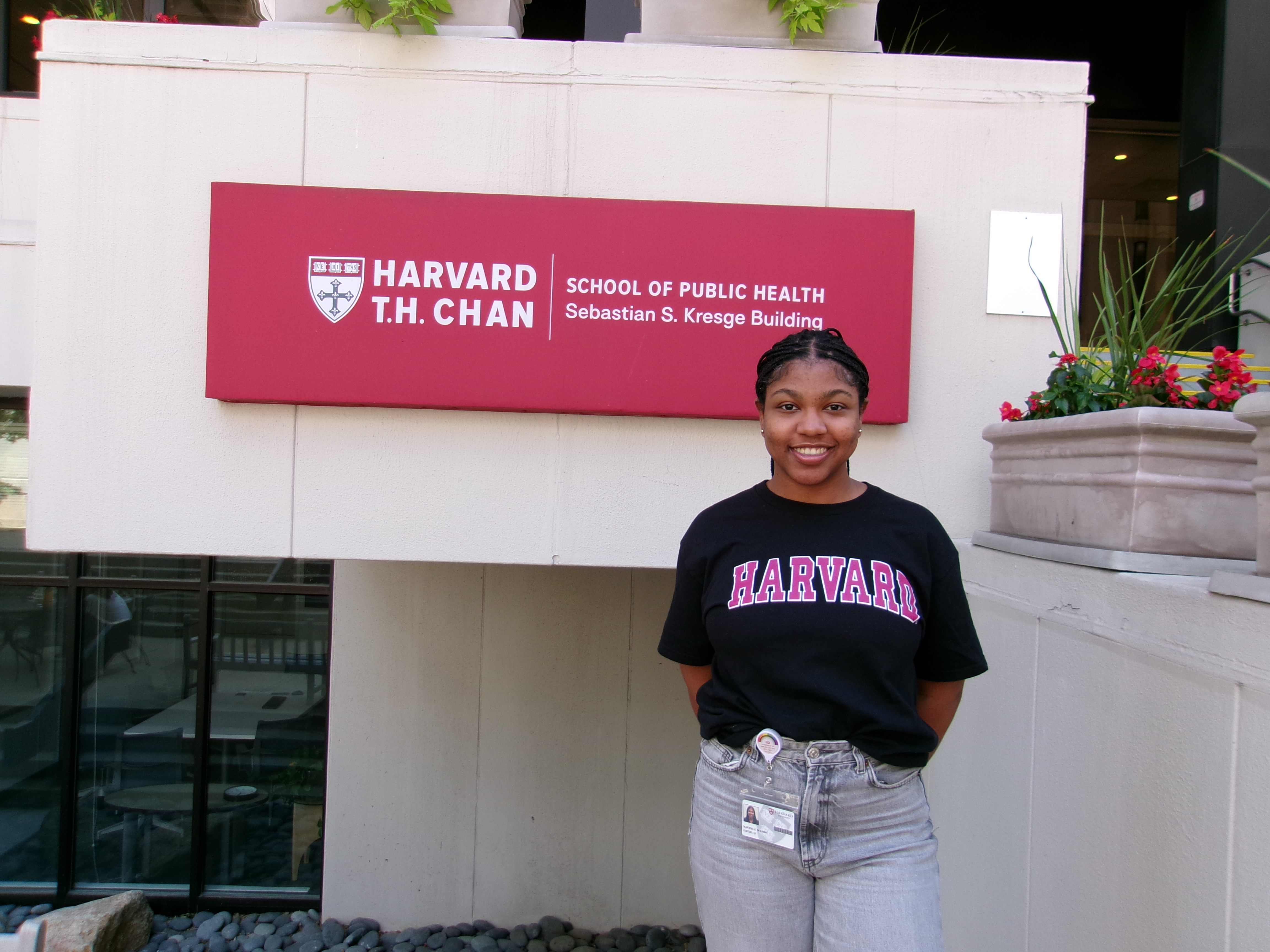 Tuberculosis remains one of the world’s deadliest infectious diseases, claiming approximately 1 million lives each year. According to Wilson, research like this is critical because Tuberculosis still has no definitive cure capable of overcoming many drug-resistant strains.
"Our work in the Fortune Lab represents one of the first steps toward understanding how metabolic genes such as AmiB2 influence bacterial survival and dissemination throughout the body,” said Wilson, who aspires to become a physician-scientist. “This discovery provides a scientific foundation that may guide the development of future therapeutic strategies against resistant M. tuberculosis populations.”
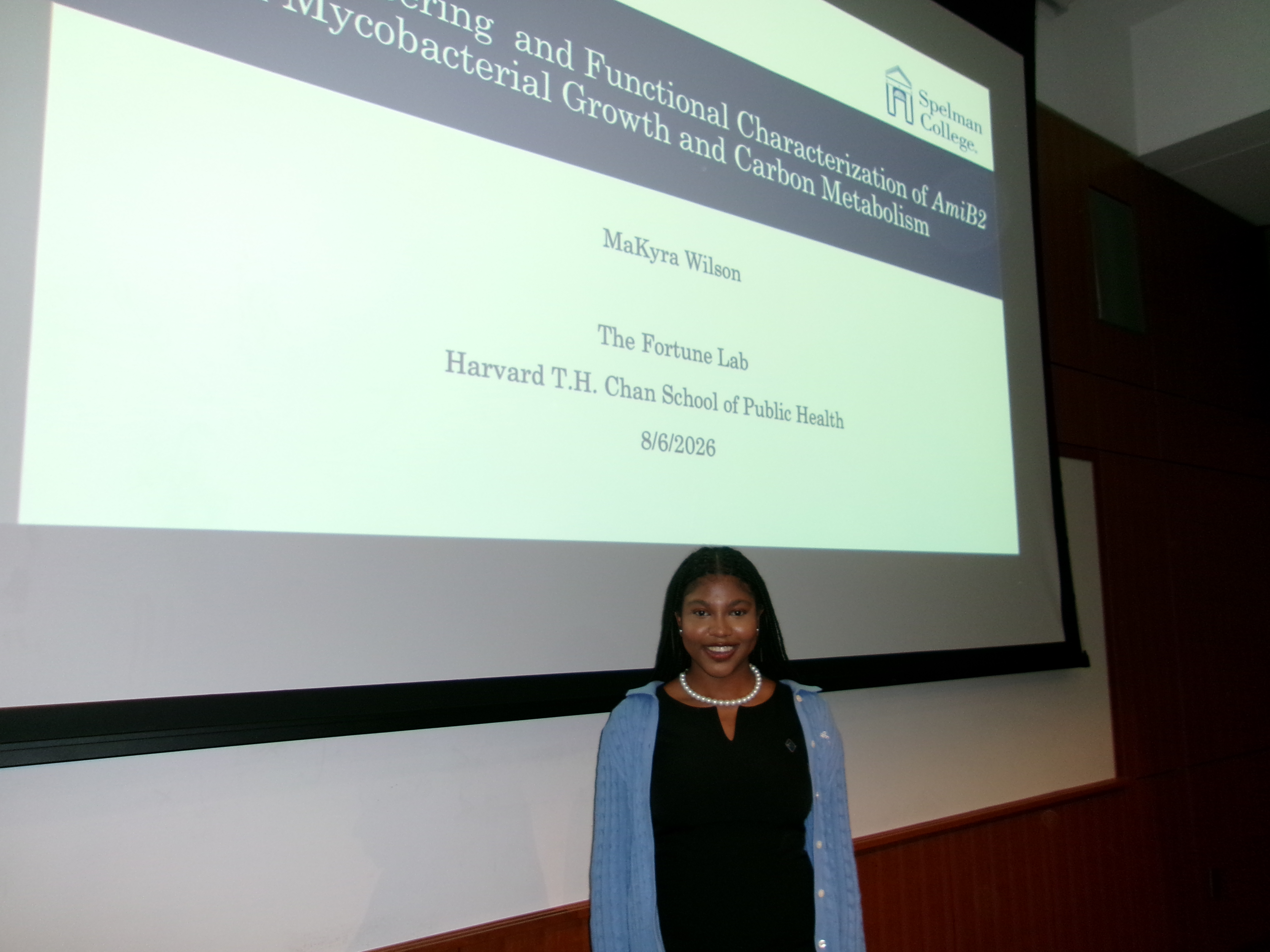 Wilson, a biology major and Ethel Waddell Githii Honors Scholar, made this discovery under the guidance of the Du Bois Scholars Program. Launched in 2024, the program seeks to honor and uplift academic excellence through research-based collaboration with Harvard University and HBCUs. It is a fully funded nine-week internship at the Harvard Summer Undergraduate Research Village (HSURV) for rising juniors and seniors.
As a scholar, Wilson received hands-on mentorship from Harvard faculty through access to rigorous, cutting-edge research opportunities. At the conclusion of the Du Bois Scholars Program, Wilson presented her findings to the faculty, researchers, physicians, fellows and scholars at Harvard Medical School.
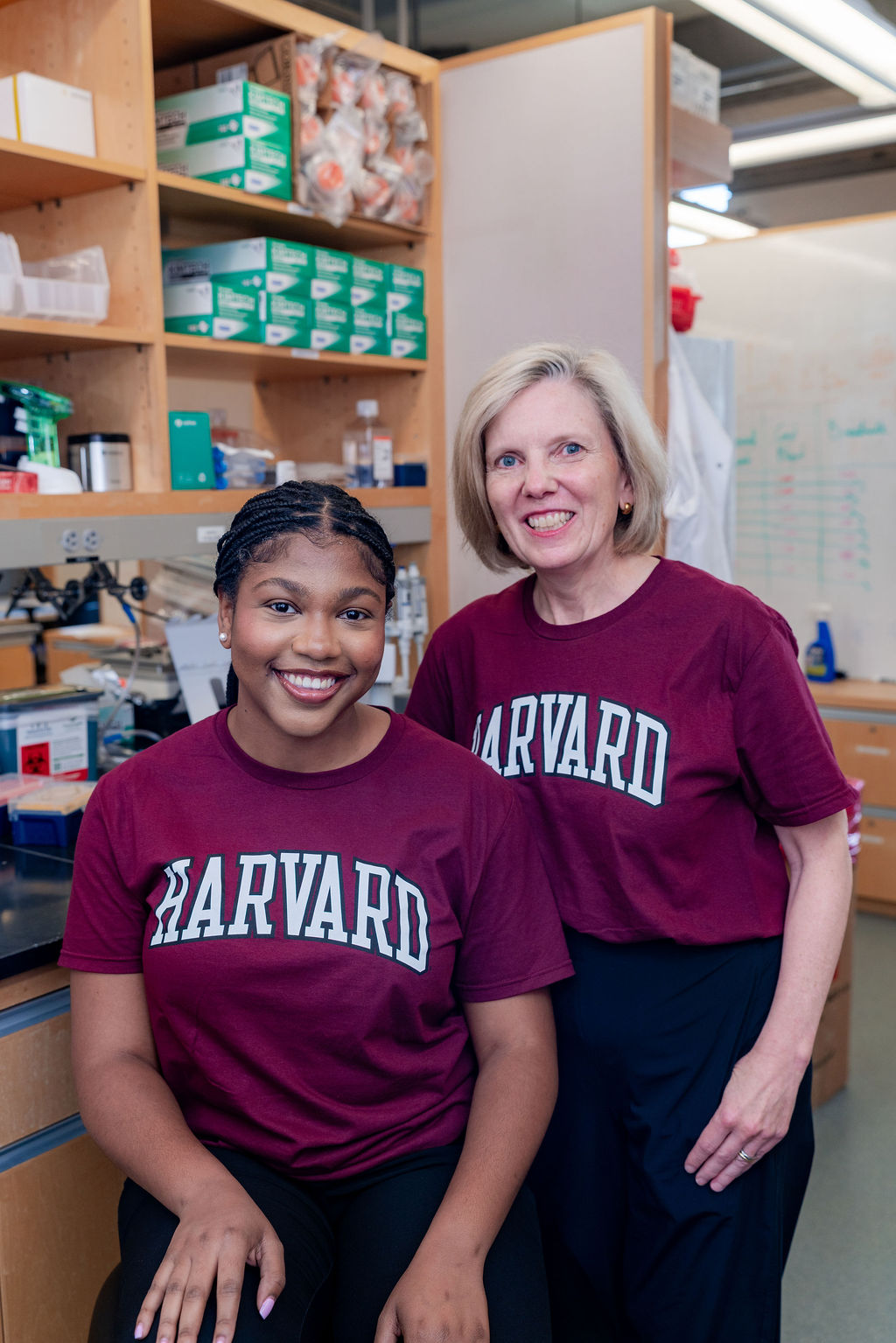 “MaKyra’s work was important because we hypothesize that Mtb bacteria are evolving mutations in metabolic genes that allow them to spread through the body more efficiently and hide in tissues like lymph nodes,” said Dr. Sarah Fortune, Wilson’s mentor and John LaPorte Given Professor of Immunology and Infectious Diseases at Harvard. “By making these clinically relevant mutant strains, MaKyra accelerated our ability to understand Mtb dissemination.”
In the future, Wilson aspires to pursue a joint MD/Ph.D to develop innovative, equitable approaches to patient care and medical practice.
“As a Spelman student, it has been a privilege to represent the College while contributing to groundbreaking research at Harvard,” said Wilson. “I hope my experience can inspire other students to pursue opportunities in scientific research and medicine.”