
Alumnae
Women's History Month
Arts
Spelman Alumna Jasmyn Lawson Brings Culture to Life Through Storytelling at Netflix
From curating the internet’s most viral moments to shaping what we watch next, Jasmyn Lawson built her career by trusting what she knew—and who she was.
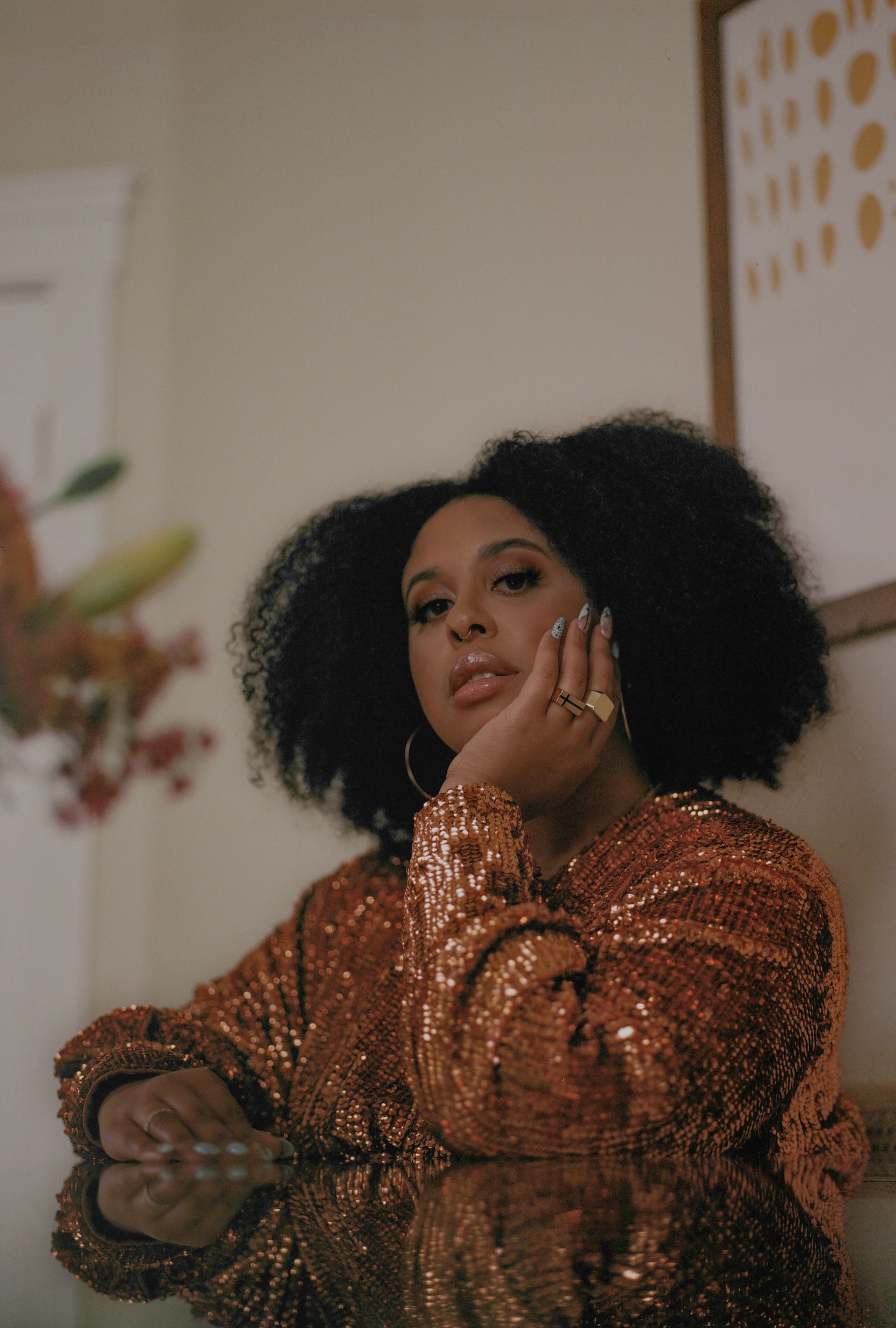 If you’ve ever searched for the perfect reaction GIF, laughed at a viral meme that felt too accurate, or followed the cultural pulse of shows like Survival of the Thickest or The Vince Staples Show, you’ve experienced Jasmyn Lawson’s work—even if you didn’t know her name.
Today, Jasmyn Lawson, C’13, is a content executive at Netflix, where she helps bring to life some of the platform’s most culturally resonant comedy series while continuing to shape how audiences see themselves on screen. Long before she was developing shows, however, she was studying something else: culture.
More importantly, she was paying attention to what makes people feel seen.
A Vision That Started Early
“I wanted to go to Spelman since I was 12 or 13 years old,” said Lawson.
At the time, she was one of the few Black students in her predominantly white Catholic school. She discovered HBCUs through media, mentorship, and her own curiosity—expanding what she believed was possible for her education. Spelman represented more than a college choice; it was a vision of her future.
When she arrived, it delivered.
At Spelman, Lawson found much more than community. She unlocked the language to analyze media, to understand culture, and to articulate what understood intuitively.
“Spelman was the first place to have me look at media as text,” said Lawson. “Not just entertainment, but something to be understood.”
Choosing the Path Without a Map
Lawson entered college with clarity about her interests, but without a defined pathway. She knew she wanted to work in entertainment. She also knew that Spelman did not offer a direct pipeline into the industry. Still, she chose it intentionally.
“I knew Spelman was going to give me something I wouldn’t be able to get anywhere else… I was like, I’ll figure it out.”
Rather than pursuing a prescribed route, she focused on developing skills that could translate across environments. She moved from English to theater, immersing herself in storytelling, production, and critical analysis. In doing so, she was building the foundation for the work she does today: reading scripts, identifying talent, and shaping narrative.
While many paths into entertainment center on performance or direction, Lawson recognized early that those weren’t her strengths.
“I knew very clearly my talents weren’t in that arena,” said Lawson. But I had a passion—a real taste for putting things together. I just didn’t yet have the language to understand what the other roles or careers could be.”
At the same time, another education was taking place—one that would ultimately define her career.
The Internet as Training Ground
Before digital strategy became a formalized field, Lawson was already practicing it. From AOL chat rooms to Tumblr, early Twitter to emerging Instagram, she was not simply participating in online spaces—she was observing them.
“I’ve been on the internet longer than I haven’t at this point.”
That familiarity led her into digital media roles and eventually to GIPHY, where her responsibilities initially focused on organizing and tagging content. But Lawson quickly identified a gap. The internet, despite being driven by culture, did not consistently reflect the people shaping it.
She responded by intentionally curating and elevating content that centered Black expression—moments that audiences were already engaging with, but not always able to easily find. From Issa Rae’s now-iconic “I’m rooting for everybody Black” to viral reality television reactions, Lawson helped define how people communicate through digital culture.
“I could tell where cultural conversations were,” said Lawson. “I knew what people were leaning to.”
What began as content management evolved into something more significant: cultural authorship. That work earned national recognition, including being named to Forbes' 30 Under 30 in Hollywood & Entertainment.
Building Culture at Scale Lawson’s work at GIPHY led to an opportunity at Netflix, where she joined efforts to build what would become Strong Black Lead. More than a social platform, Strong Black Lead was a strategic shift—an intentional approach to engaging Black audiences with authenticity and consistency.
Lawson played a central role in shaping its voice.
‘I don’t think there’s anybody working in the internet space that you could hire that would be better to do it than me’ were Lawson’s words to her soon to be boss Maya Watson, (formerly) director of marketing, editorial, & publishing at Netflix.
The statement was direct but grounded in experience. Lawson’s strength was not only technical expertise, but perspective—an understanding of audience, tone, and cultural nuance that could not be replicated without lived experience.
Leaning Into What Only She Could Do
Her transition into content development marked another pivotal shift. Moving from social media into series development required her to step into unfamiliar territory. Yet, it also created space for her to apply what had always set her apart.
“I can’t separate my identity from my profession,” said Lawson. “That’s how I read material.”
Lawson approaches storytelling through a lens shaped by culture, community, and experience. That perspective now informs her work on projects such as Survival of the Thickest, The Vince Staples Show, and the upcoming reboot of A Different World. These projects require more than industry knowledge. They require an ability to recognize authenticity, to understand voice, and to translate lived experience into narrative.
“That can only come from lived experience,” said Lawson. “It can’t be taught.”
The Throughline: Trusting Her Strengths
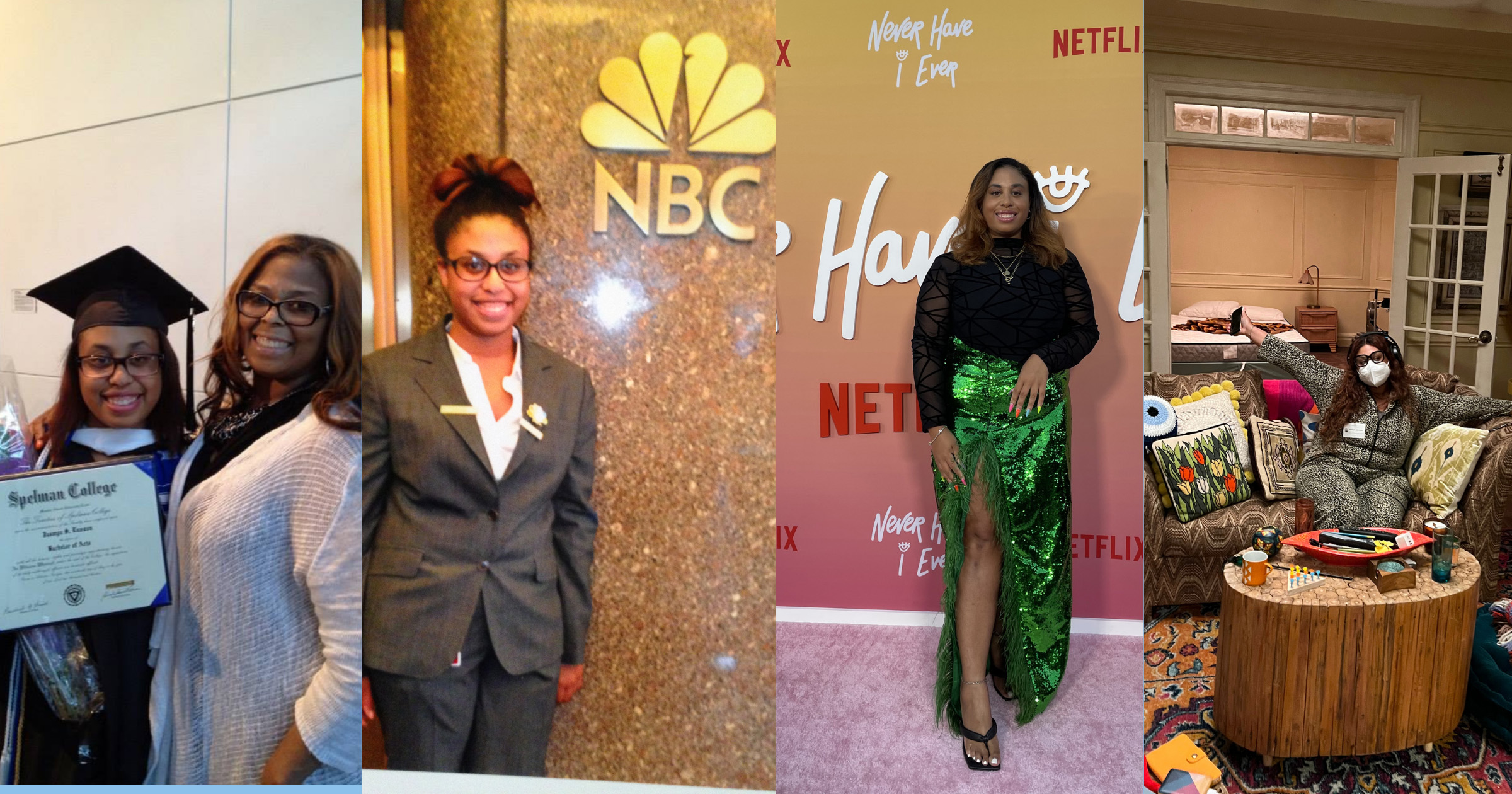
Across each stage of her career, Lawson has followed a consistent approach. She identifies what comes naturally to her and builds from there. Rather than conforming to existing roles, she has consistently recognized gaps—and positioned herself to fill them. From curating digital culture to building audience-driven platforms to shaping the next generation of storytelling, her trajectory reflects the value of trusting one’s instincts.
Today, Lawson continues to focus on creating work that resonates with audiences in meaningful ways. Her approach to storytelling is grounded not in volume, but in impact. It is about connection, representation, and creating work that audiences return to. At the center of that approach is a simple but defining principle:
“I just want to keep making something that’s worth people’s time.”